Electric Car GAP Insurance Guide | MotorEasy
Electric Car GAP Insurance: Do EVs Need It?
If you've recently bought - or are thinking of buying - an electric car, you’ve probably heard the term EV GAP cover thrown around. And here’s the thing: GAP insurance for electric cars works a little differently than for traditional, fuel-powered cars. And that’s mostly down to how electric vehicles depreciate, the high value of their batteries, and the fact that many are leased or financed, rather than bought outright.
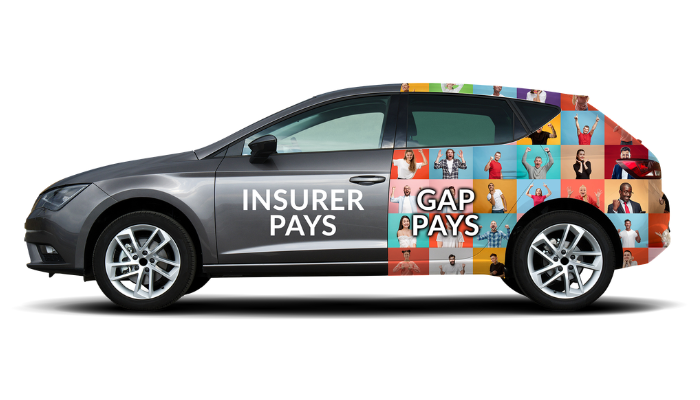
So, what does electric car GAP insurance actually do? In simple terms, if your EV is written off or stolen and your insurer’s payout doesn’t cover the full amount you still owe on finance or lease, GAP insurance is there to bridge that shortfall. Without it, you could be left paying thousands for a car you no longer have.
At MotorEasy, we get this question a lot: “Is GAP insurance worth it for electric cars?” Let’s unpack it properly - so you can make a confident, informed decision.
What Makes GAP Insurance Important for Electric Cars?
Let’s be real: buying or leasing an EV is a big decision. And once you’ve got it parked on the drive, you want to protect that investment. But EVs aren’t your average cars - they come with quirks. And that’s exactly why GAP Insurance for electric cars matters. Here are a few of the main reasons why electric cars need gap insurance - sometimes even more so than their fuel counterparts:
Rapid Depreciation of EVs (particularly in the first 1-3 years)
EVs, especially new ones, tend to depreciate faster than petrol or diesel cars. In fact, some models can lose up to 60% of their value in just 3 years. Why? Technology moves fast, and incentives for newer, cleaner models can make older EVs less attractive.
Why does this matter? If your electric car is written off during this time, your insurer’s payout might fall far short of what you owe. That’s where EV depreciation GAP cover can help.
Battery Replacement Costs vs Car Market Value
Let’s say you’ve had your EV for a year, and it’s involved in an accident. The body damage is minor, but the battery pack? Cracked and needs replacing. EV batteries can cost anywhere from £4,000 to over £15,000 - sometimes more than the value of the car itself. Insurers often write off the car rather than repair it. Without GAP cover, you could be on the hook for the remaining finance.
EV Leasing & Finance is More Common than Outright Purchase
Most EV drivers don’t buy outright - they lease or take out PCP deals. That’s partly because EVs can be expensive upfront, and finance deals spread the cost. But if the car is stolen or written off mid-contract, you could face a shortfall of thousands between what the insurer pays and what you still owe. GAP insurance on electric vehicles covers that difference.
How Does GAP Insurance Work for EVs?
Whether you’re driving a Tesla Model Y or a Nissan Leaf, electric car GAP insurance works on the same basic principle: it covers the financial ‘gap’ between what your insurer pays out and what you actually owe.
Whether you’re driving a Tesla Model Y or a Nissan Leaf, electric car GAP insurance works on the same basic principle: it covers the financial ‘gap’ between what your insurer pays out and what you actually owe.
Let’s say you’re two years into a four-year PCP deal. Your EV is written off or gets stolen, and your insurer values it at £18,000. But your finance company says you still owe £24,000. That’s a £6,000 gap. GAP insurance covers that shortfall - so you’re not stuck paying off a car you no longer have.
Leasing vs Financing vs PCP vs Bought Outright: The Differences in Coverage
How you’re paying for your car matters. Here’s the difference in coverage depending on your contract type:
- Leasing: You never own the car, but you still owe payments until the contract ends. GAP can cover these and the early termination fee, plus it also covers advance rentals.
- PCP: You may own the car at the end or hand it back. If your car is written off or stolen, there’s a big balloon payment you’ll still owe - which GAP insurance takes care of.
- Hire Purchase: GAP insurance covers the difference between the insurer's payout and the outstanding loan amount.
- Bought Outright: If your car is written off or stolen, GAP insurance covers you up to your car’s original value, or its value when you took out GAP.
What GAP Insurance Doesn't Cover
What's not covered? Good question. GAP won't cover:
- Normal battery wear (those miles take their toll)
- General wear and tear
- Missed payments or fees
It’s designed for total loss situations: accident, theft, fire, or flood damage. If you’re looking for cover for maintenance and repair costs, that’s where warranties / extended warranties step in.
Is GAP Insurance Worth It for an Electric Vehicle?
You might ask: “Do I need gap cover for EVs?”. The answer here is that not everyone needs GAP insurance. But if you tick one (or more) of the following boxes, it might be a smart move.
- You've just bought or leased a brand new EV
- Your car's on PCP or a lease agreement
- You're driving driving a high-value model
Electric vehicles tend to lose value faster than traditional cars, and tech-heavy parts like batteries and sensors drive up repair costs - which makes write-offs more likely. GAP insurance helps make sure you’re not footing the bill for something out of your control.
Here's a quick peek at what it could mean in real terms if yo have bought your vehicle on finance or Leased it:
| Situation | Without GAP | With GAP |
| Financed EV stolen in year 2 | £8,000 owed | £0 owed |
| Write-off on lease | £5,500 gap | Covered |
Which EV Owners Benefit Most from GAP Insurance?
There are a few instances where GAP insurance should almost be non-negotiable. These include owners of the following models:
Nissan Leaf, Kia EV6, Hyundai Ioniq, Mid-Range Scenarios
What about GAP insurance for Kia EV6 cars? GAP cover for Nissan Leaf models? And Hyundai Ioniq GAP insurance?
These cars are go-to choices for drivers after reliability and value. But these models (especially older models such as the early Leaf) are known for high depreciation - sometimes meaning the battery depreciates at a rate that outpaces finance repayment. So if your car’s written off in year two or three, GAP cover for these cars can seriously soften the financial blow.
Leasing With Manufacturer vs Buying GAP Externally
Car dealerships often offer GAP insurance when you buy or lease - but it can be significantly more expensive and sometimes less flexible.
With independent GAP cover for EVs from providers like MotorEasy, you’ll typically get:
- Better value for money
- More flexible cover options / durations
- Clarity on what’s included
Plus, buying GAP insurance online gives you the breathing room to pick the right cover for you - not just what the dealer’s offering. We are even recommended by the likes of Select Car Leasing!
Electric Car GAP Insurance FAQS
Is GAP Insurance more expensive for electric cars?
Not necessarily - but it depends on the car’s value, depreciation rate, and type of cover. Some EVs cost more to insure overall, which can affect your GAP quote. It’s worth comparing quotes rather than assuming.
Does GAP Insurance cover the EV battery?
Only if the whole car is written off or stolen. GAP insurance won’t cover gradual battery degradation or repairs - it’s purely for total loss scenarios.
Can I get GAP Insurance for a second-hand EV?
Yes - if the car is under a certain age and mileage. Motoreasy can provide GAP insurance for used EVs, and you can easily get a quote online.
What if I already have manufacturer coverage?
Some manufacturers include a form of GAP insurance in finance packages. It’s important to check the terms, duration, and payout caps, as these may differ from independent GAP cover.
Get Your EV Covered with MotorEasy
At MotorEasy, we’re here to take the stress out of motoring. Whether you’re after the best GAP insurance for EVs, want to protect your new car, or are just figuring out your options - we’ve got you.